
Essendon Private Clinic
Depression Treatment in Melbourne
Depression can affect mood, motivation, sleep, relationships and the ability to manage everyday life. If things are becoming increasingly difficult, or the treatment you are currently receiving no longer feels like enough, there may be other options to explore.
Essendon Private Clinic provides private, psychiatrist-led mental health treatment in Melbourne through inpatient care, structured day programs and other clinically appropriate treatment pathways.
Returning to EPC? Request a call back →
Private mental health hospital in Essendon West, Melbourne
Psychiatrist-led care
Inpatient, day program and TMS pathways
What Can Depression Feel Like?
Depression can look different from person to person. It may involve more than feeling sad and can affect the way someone thinks, feels, behaves and manages everyday life.
People experiencing significant low mood or depression may notice things such as:
- Feeling low, flat, teary, or emotionally overwhelmed
- Losing interest or enjoyment in things that usually matter
- Having less energy or motivation
- Finding it harder to concentrate or make decisions
- Withdrawing from friends, family or usual activities
- Changes in appetite
- Feeling irritable or frustrated
- Experiencing feelings of guilt, worthlessness or hopelessness
- Finding work, study, relationships or everyday responsibilities harder to manage
These experiences can have many different causes, and they do not confirm a diagnosis of depression. A qualified health professional can assess what may be contributing and discuss appropriate support or treatment.
Not sure whether you need more help?
We’re here to listen and help you understand your options.
Depression in Australia
Depression is common and can affect people from all walks of life.
4.9%
of Australians aged 16–85 experienced a depressive episode in the previous 12 months.
~1.5 million
Australians will experience depression in their lifetime.
3.1%
of Australia’s 2024 disease burden was due to depressive disorders.
When Depression Starts Affecting Everyday Life
For some people, depression can continue, return or become harder to manage over time, including while receiving treatment.
It may begin to affect sleep and physical wellbeing, work or study, relationships and social connection, motivation, self-care, daily routines, confidence, independence and the ability to manage everyday responsibilities.
If depression is making day-to-day life increasingly difficult, it may be worth discussing your current treatment and whether additional or more structured support could help.

Depression Treatment Options in Melbourne at Essendon Private Clinic
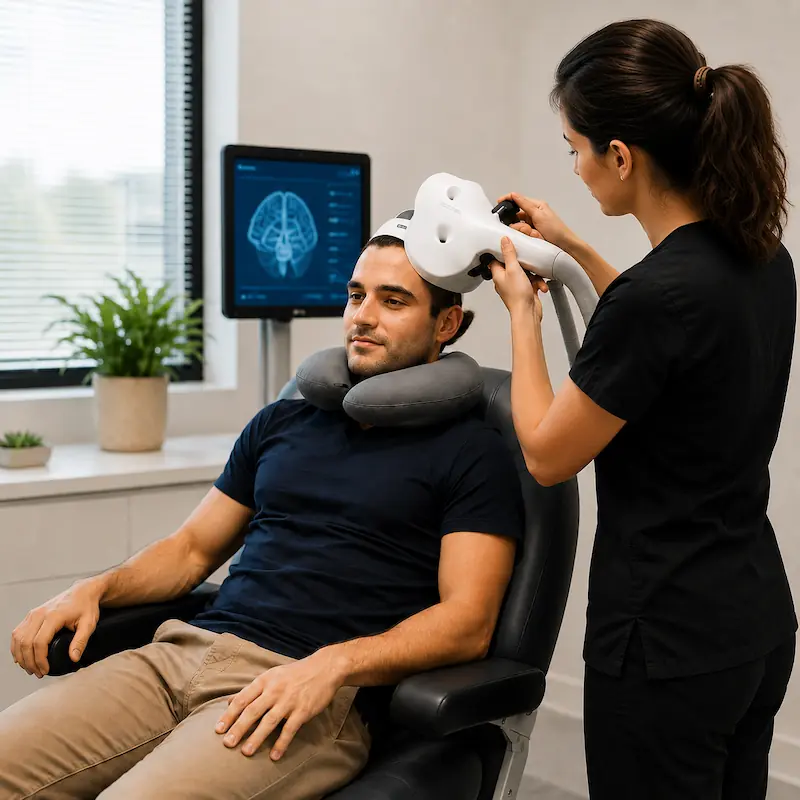
Essendon Private Clinic provides psychiatrist-led mental health treatment through inpatient care, structured day programs and TMS pathways where clinically appropriate.

Inpatient Mental Health Care
Comprehensive, psychiatrist-led inpatient care in a private and supportive environment.

Day Programs
Structured, therapist-led programs while you continue living at home.
Psychological therapies such as cognitive behavioural therapy (CBT), acceptance and commitment therapy (ACT) and dialectical behaviour therapy (DBT) may form part of treatment, with medication considered depending on individual circumstances.
What If Current Depression Treatment Isn’t Helping Enough?
Depression treatment needs can change over time. If depression is still significantly affecting everyday life despite treatment, a more structured level of care may be worth discussing.
A planned hospital admission may be considered when more support is needed than can be provided through community-based treatment.
This may include situations where:
- Existing treatment is no longer providing enough support
- Everyday routines and responsibilities have become increasingly difficult
- Psychiatric assessment, medication review or closer clinical monitoring may be required
- Depression is occurring alongside other mental health concerns
- A treating psychiatrist or doctor recommends a structured hospital admission.
Inpatient Care Is Different From Emergency Care
EPC provides planned, private mental health treatment. We are not an emergency department and do not provide crisis or emergency care. If you are in immediate danger, please call 000 or present to your nearest emergency department.
Depression Treatment Built Around The Whole Person, Not Just The Diagnosis
Depression can affect more than mood. It can influence sleep, motivation, relationships, thinking patterns, confidence and a person’s sense of purpose. EPC’s Whole-Person Recovery Model considers these different parts of recovery through three connected pillars — ESSENTIAL, EMPOWERED, ENGAGED.
ESSENTIAL
Build Safety & Stability
Support with overwhelming emotions, sleep and daily routines, grounding, practical coping skills and building stability.
SKILLS YOU MAY EXPLORE
- Managing distress and difficult emotions
- Sleep, routine and activity planning
- Grounding and coping strategies
Additional topics may be explored according to your individual needs.
EMPOWERED
Understand Your Emotions
Recognising unhelpful thinking patterns, behavioural activation, emotion regulation and building resilience.
SKILLS YOU MAY EXPLORE
- Behavioural activation and goal setting
- Challenging unhelpful thinking patterns
- Building emotional regulation skills
Additional topics may be explored according to your individual needs.
ENGAGED
Connect With What Matters
Rebuilding relationships, confidence, meaningful activities, purpose and plans for life beyond hospital.
SKILLS YOU MAY EXPLORE
- Reconnecting with meaningful activities
- Communication and relationship skills
- Planning for recovery beyond hospital
Additional topics may be explored according to your individual needs.
How To Get Started With Depression Treatment
1
Contact our Intake team
We’ll listen and answer your questions.
2
Referral and assessment
Your psychiatrist will review your needs.
3
Understand your treatment options
We’ll explain the options that may help.
4
Plan your treatment
Together, we’ll create your treatment plan.

Worried About Someone You Care About?
Family members and carers can talk with our Intake Team about treatment options and understand referrals and the intake process. You don’t need to diagnose the person first.
Does Private Health Insurance Cover Treatment?
Coverage depends on the treatment, your health fund, and your individual policy.
We work with major health funds
Most major Australian private health funds are accepted for eligible admissions. Cover depends on your fund, policy and level of hospital cover.
Out-of-pocket costs
Excesses and out-of-pocket costs vary by policy and treatment. Intake can explain what information is needed so you can confirm costs before admission.
We can help explain your cover
The intake team can walk you through the funding process and what to check with your health fund, including waiting periods and eligibility.
Frequently Asked Questions About Depression Treatment
What depression treatments are available?
Depending on your needs, options may include psychological therapies, medication, structured day programs, inpatient care and, where clinically appropriate, TMS. Your psychiatrist will discuss what may suit your situation.
What if therapy or antidepressants are not helping?
If symptoms continue or return despite treatment, it may help to review your diagnosis, medications and therapies tried with a psychiatrist, who can discuss other options that might help.
What is treatment-resistant depression?
Depression is sometimes described as treatment-resistant when it has not responded adequately to standard treatments. A psychiatrist can review your history and discuss further options, which may include TMS where eligible.
When might inpatient treatment be considered for depression?
A planned inpatient admission may be discussed when symptoms significantly affect daily functioning, current support is not enough, or a clinician recommends a more structured environment. Suitability is assessed individually.
What happens during inpatient depression treatment?
Inpatient care may include psychiatric assessment and treatment, 24/7 nursing support, daily therapeutic groups, allied health input, recovery goals and discharge planning, shaped around your needs.
Do I need a referral to Essendon Private Clinic?
A GP or psychiatrist referral is generally required for a private admission. If you do not have an admitting psychiatrist, contact intake to ask about the pathway.
Can a family member contact EPC about someone with depression?
Yes. Family members and carers can contact intake to ask about treatment options and the referral process. EPC still protects the person’s privacy and shares information only in line with consent and legal requirements.
Does private health insurance cover inpatient depression treatment?
Cover and out-of-pocket costs vary by insurer, policy and admission. Intake can explain what information is needed; confirm benefits with your health fund before admission.
Is TMS used for depression?
TMS is an evidence-based, non-invasive treatment that may be considered for eligible patients, including some people with treatment-resistant depression. Eligibility is determined through clinical assessment.
Where is Essendon Private Clinic located?
Essendon Private Clinic is located at 35 Rosehill Road, Essendon West VIC 3040, in Melbourne’s north-west. Contact our Intake Team if you would like to ask about depression treatment options, referrals or how to access care.
You Don't Need to Diagnose Yourself Before Asking For Help
Reading about symptoms online can help you recognise that something may not be going well. It cannot determine why you are experiencing those difficulties or what treatment you need.
Our Intake Team can discuss your circumstances and explain available treatment options.
YOU DO NOT NEED EVERY ANSWER BEFORE YOU CALL
Talk to Intake About Admission
Send a short enquiry and the intake team can explain depression treatment options, referrals, costs and next steps.